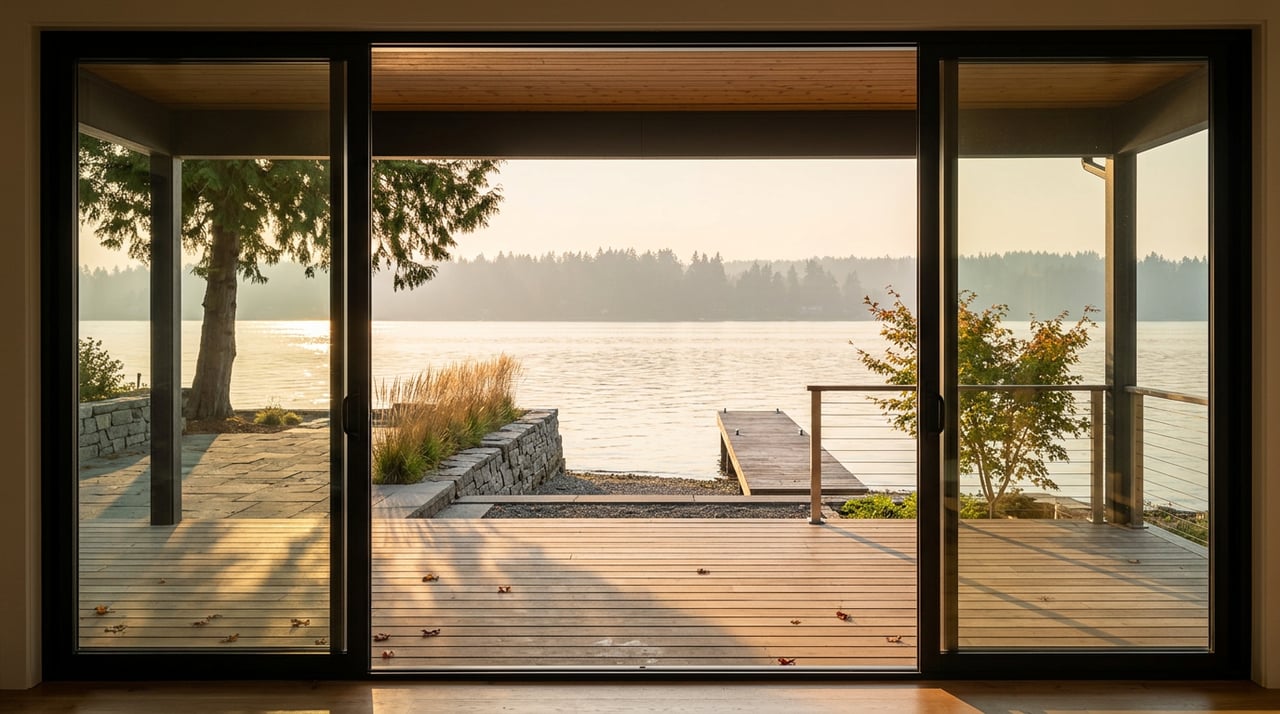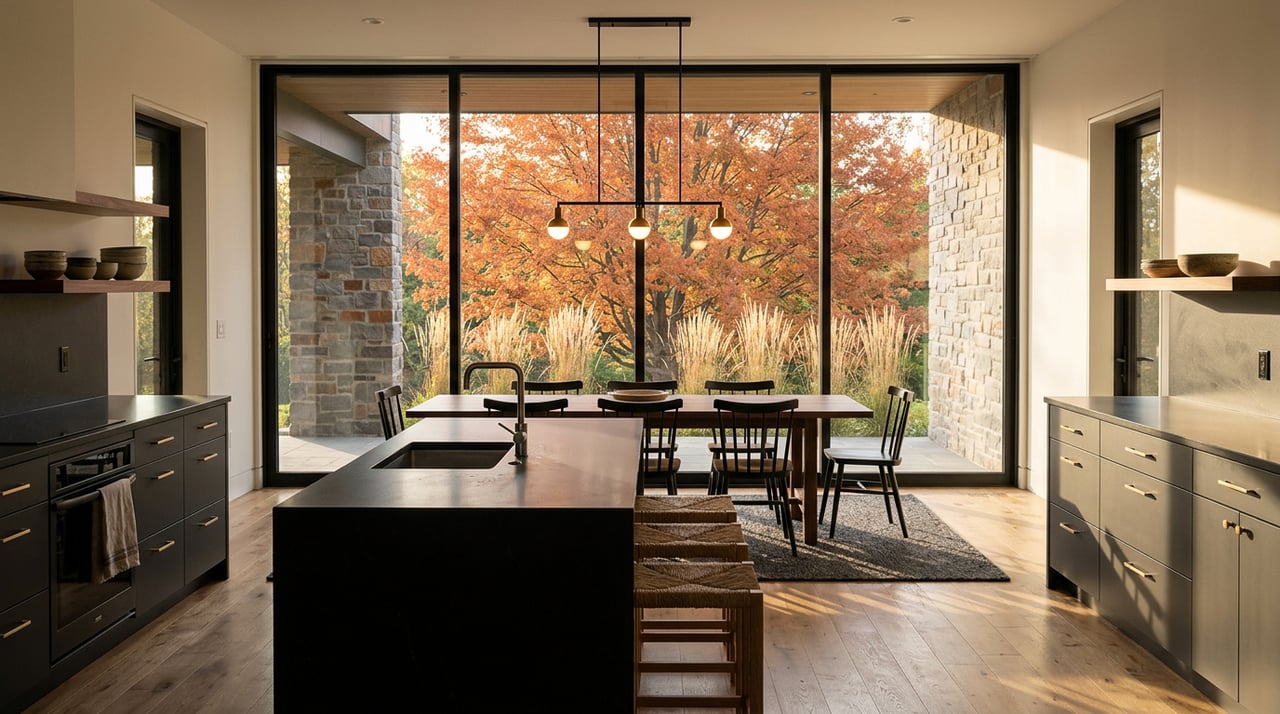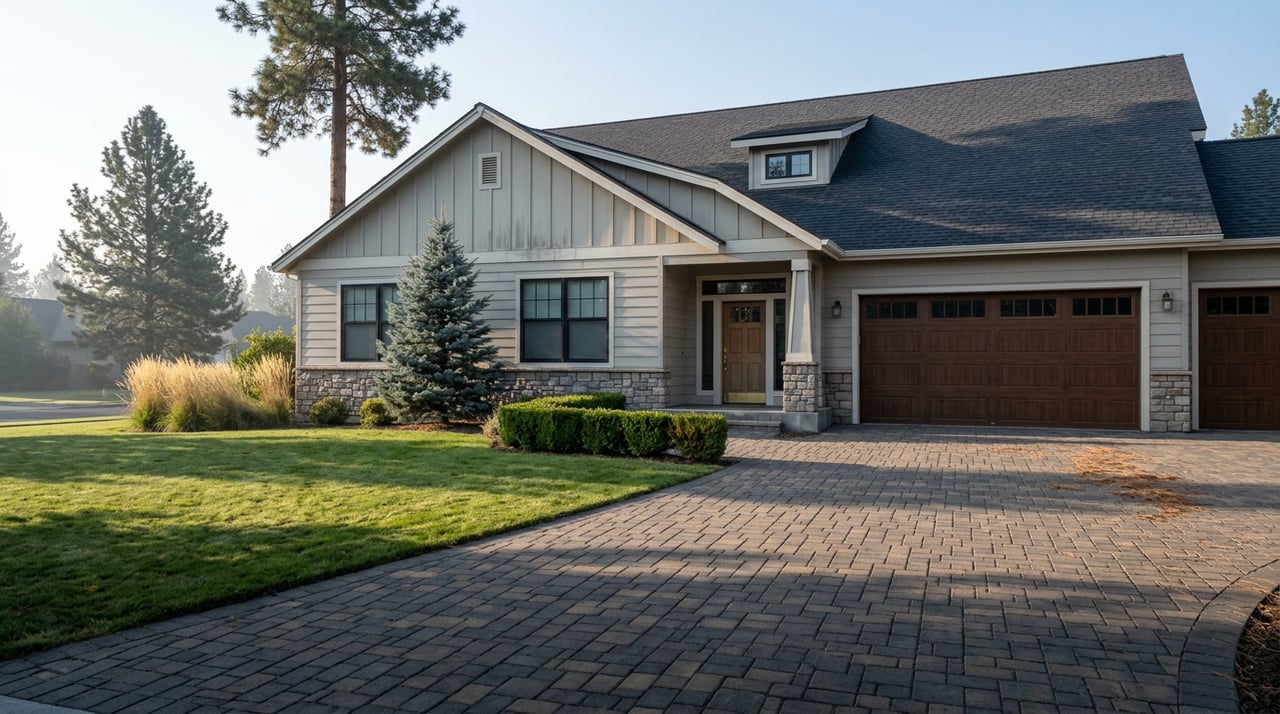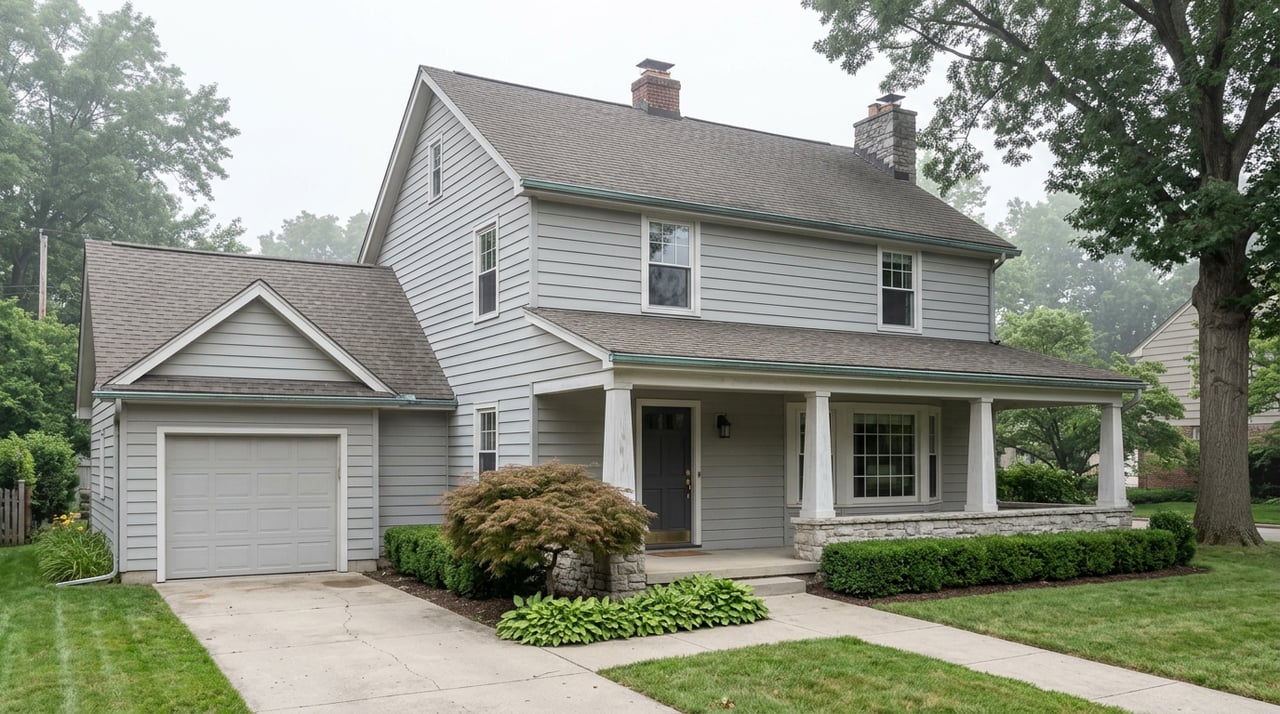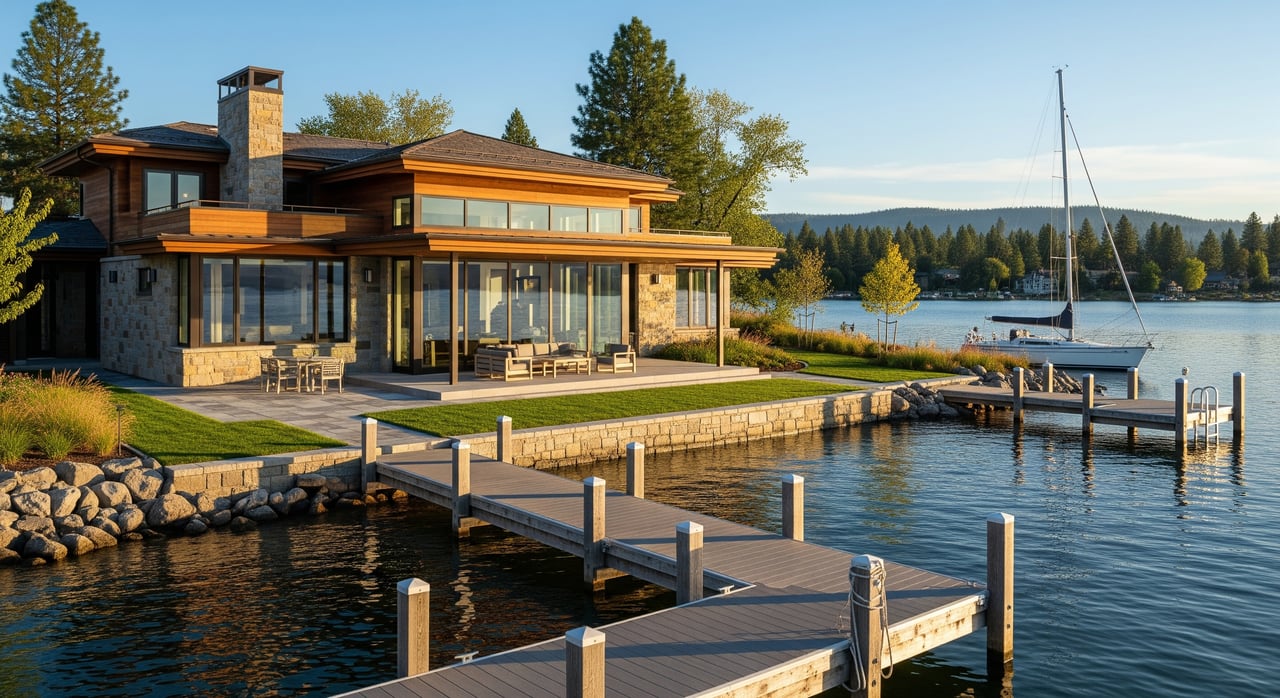
Thinking about selling in Liberty Lake and not sure where to price? You are not alone. With waterfront, lakeview, and interior neighborhoods trading differently, the first price you choose sets the tone for your entire sale. In this guide, you will learn a clear, data-backed method to price with confidence, including how to weigh micro-comps, factor lake and view premiums, and decide whether to list at target or plan a price improvement. Let’s dive in.
Know your Liberty Lake submarkets
Pricing in Liberty Lake is not one-size-fits-all. Lakefront, lakeview, and interior homes behave like related but separate submarkets with different buyer pools and price sensitivity. Lot location, view quality, and access or amenities can change buyer demand.
If your home has direct waterfront, treat it as a distinct segment. If you have an unobstructed view or neighborhood access without frontage, you still need a tailored comp set. Interior homes without view or access will use a different reference group. This separation helps you avoid mixing dissimilar comps and keeps your price grounded in how buyers actually shop.
Build your micro-comps
Micro-comps are your closest matches. They anchor your pricing more precisely than broad area comps.
Use this selection order:
- Same market segment: waterfront, view, near-lake, or interior.
- Same neighborhood or within a one to two minute drive, often within 0.25–0.5 mile.
- Similar lot traits: frontage, slope, and usable outdoor space.
- Similar size, beds and baths, age, updates, and condition.
- Most recent closings first, ideally within the last 6–12 months.
Weight the tightest matches most heavily, especially recent closings if the market is moving. Use broader comps only to validate the range, not to set the exact price.
Price bands that give you options
A pricing band is a short list of three prices you can choose from based on your goals and market tempo. It gives you a plan, not just a number.
- Aggressive or “buy it now” price: Lower end of the band to maximize showings and encourage multiple offers.
- Market or “sweet spot” price: Expected to attract typical traffic and sell near market value within a reasonable days-on-market window.
- Aspirational or “fast sale” and test price: Higher end for sellers who want to test the market. This is less recommended in cooling conditions.
Create bands separately for lakefront and near-lake/view homes versus interior homes. Each submarket has different demand and premiums.
Lake proximity premiums explained
Water matters in Liberty Lake, and not just in a yes-or-no way. Categorize proximity to estimate premiums more accurately:
- Waterfront or lakefront with direct frontage.
- Unobstructed or direct lake view from living areas.
- Near-lake with access through a neighborhood or short walk.
- Peripheral with no view or access.
Compare otherwise similar homes across these categories to estimate the premium. When possible, use paired sales where one feature differs or analyze per-square-foot differences across matched groups. Treat waterfront sales as their own comp set. If waterfront comps are limited, apply a cautious premium derived from differences in similar-period sales and disclose your method.
View adjustments that make sense
Not all views are equal. Buyers respond differently to a primary, unobstructed water view than to a partial or seasonal glimpse.
Differentiate view types:
- Primary, unobstructed water view from key rooms.
- Partial or intermittent water view.
- Panoramic elevated views versus narrow or oblique angles.
Use a mix of percentage and dollar adjustments based on local behavior and past sale differentials. Avoid double counting when a comp is both lakefront and has a superior view. Some buyers prioritize visual impact, while others care more about practical access. Your pricing should reflect your likely buyer profile.
Seasonality and timing your strategy
In temperate markets like Spokane County, activity often rises in spring, continues in summer, and tapers in fall and winter. Lake properties show stronger seasonality, with demand peaking from early spring through summer.
What this means for you:
- Listing in high season can improve pricing power for waterfront and near-lake homes.
- Off-season listings may need more realistic pricing or a pre-planned price improvement to capture spring demand.
- Use monthly stats on list-to-sale percentage and days on market to fine-tune timing. Tie your plan to how your segment is performing right now.
If you are selling a lake home in winter, consider a conservative initial price or set a timed improvement to align with the next demand wave. Also plan marketing assets with the season in mind. Summer photos for lake homes can pay off.
Target price vs. price-improve: how to choose
Both approaches can work. Your choice depends on market temperature, competition, and risk tolerance.
List at accurate market price:
- Pros: Targets the right buyers, reduces reductions, and aligns better with appraisals.
- Cons: May not spark a bidding surge in very hot conditions.
List slightly under competition to provoke activity:
- Pros: Can spark multiple offers and speed the sale if inventory is tight.
- Cons: Appraisal gap risk and lower-quality offers if buyer depth is thin.
Price-improve strategy:
- Pros: Gives negotiation room and time for rollout.
- Cons: Visible reductions can signal weakness and reduce momentum if overused.
Guidance for Liberty Lake sellers:
- Hot submarket with rapid sales and scarce inventory: An aggressive list can make sense, especially for lake or near-lake homes with broad appeal.
- Balanced or cooling conditions: Favor accurate market pricing from your micro-comps. If you want to test higher, set firm triggers and timing for a reduction.
- Lakefront or unique properties: Be careful about overpricing. Appraisal alignment matters because closed comps drive value.
Smart checkpoints and price-change triggers
Plan a 2–4 week benchmark to evaluate traction. Review showings per week, online activity, and feedback relative to similar listings.
Use these guidelines:
- If your showings and engagement trail similar homes after 10–21 days, revisit price or marketing.
- Avoid repeated small reductions. Plan one meaningful change that aligns your home with a clearer buyer pool.
- Tie adjustments to objective signals, not just time. Use activity, feedback, and new competing listings.
How to read comp adjustments
Adjustments help you translate a comp into your home’s value by adding or subtracting differences.
General principles:
- Adjust toward the subject. If a comp is better in a feature, subtract. If it is inferior, add.
- Use paired sales or local per-square-foot trends where possible.
- Avoid double counting the same feature under different labels.
- Use dollar adjustments for quantifiable items like size and condition, and percentage adjustments for scarce premiums like unobstructed views or waterfront.
Illustrative example:
- Comp A sold for 700,000. It is 200 square feet smaller. If your local adjusted per-square-foot is 250, add 50,000.
- Comp A has no lake view and your home has a partial view. Add a view premium, for example 30,000.
- Comp A has a newer kitchen and yours is older. Subtract 20,000.
- Net adjusted price equals 760,000. Repeat the process across 3–6 comps, then reconcile to a value range.
A simple pricing worksheet you can use
Use this template to organize your analysis and decisions. Fill it with live data from recent Liberty Lake closings, pendings, and competing actives.
Subject property snapshot:
- Address, beds and baths, finished square feet, lot size, year built, condition.
- Lake category: waterfront, unobstructed view, near-lake with access, or interior.
- HOA and neighborhood amenities, unique features.
Market snapshot:
- Number of active and pending listings in your segment.
- Average days on market for the last 90 days.
- Average list-to-sale percentage and frequency of reductions.
Comp table for 3–6 micro-comps:
- Address, distance to subject, sale date and price.
- Size, beds and baths, lot, lake or view category, condition.
- Adjustments line items with dollars or percentages and notes on method.
- Adjusted price for each, then low, median, and high indicated range.
Recommended pricing bands:
- Aggressive price with expected buyer pool and potential risks.
- Market price with likely days on market and probability of sale.
- Aspirational price with required patience and possible concessions.
Marketing timeline and price triggers:
- Benchmarks for the first 14–30 days, such as minimum weekly showings.
- A single rationalized price change if signals are missed.
What Chelsey brings to your pricing plan
You get a boutique, concierge experience backed by data and presentation. That starts with a micro-comp analysis anchored to Liberty Lake submarkets and verified through current closed sales, active competition, and real-time market signals.
Then presentation takes over. Staging consultations, professional photography, and targeted online distribution elevate how buyers perceive your home. With Coldwell Banker Global Luxury reach and a marketing-first playbook, your listing connects with the right audience at the right price point.
Your next steps
- Clarify your segment: waterfront, view, near-lake, or interior.
- Pull 3–6 micro-comps that match location and view most closely.
- Build pricing bands with a clear plan for timing and adjustments.
- Align marketing assets to seasonality, especially for lake properties.
- Set objective triggers for a price improvement if needed.
Ready to price with confidence and present at a higher level? Connect with Chelsey Graves for a data-backed pricing plan and a concierge listing experience.
FAQs
What is a pricing band for Liberty Lake home sellers?
- A pricing band is a set of three strategic price points, from aggressive to aspirational, that gives you options based on your goals and current market tempo.
How do lakefront and lakeview locations affect my Liberty Lake home price?
- Lakefront, unobstructed view, near-lake with access, and interior homes trade in different submarkets, so you should compare your home to the closest category to estimate premiums accurately.
When is the best season to list a Liberty Lake lakefront home?
- Early spring through summer often brings stronger demand for lake properties, while off-season listings may benefit from conservative pricing or a timed price improvement.
Should I start high and plan a price reduction in Liberty Lake?
- You can, but reductions can weaken momentum; set firm triggers and timing, and consider pricing accurately at the start if conditions are balanced or cooling.
How are comp adjustments calculated for my Liberty Lake property?
- Adjust comps toward your home using local per-square-foot trends and paired sales for features like size, condition, view, and proximity to the lake, then reconcile to a value range and pricing bands.