Thinking about selling your Spokane home and want it to stand out from day one? You are not alone. Buyers here have more choices than they did a few years ago, which means presentation and timing matter. In this guide, you will get a clear, Spokane-specific plan to prepare, price, and launch your listing so you can attract stronger offers with less stress. Let’s dive in.
Spokane market today: what to expect
Spokane is a modestly competitive market where well-presented, move-in-ready homes still sell near list price and on a reasonable timeline. A recent year-in-review shows months of supply near three and average days on market in the mid-30s, which signals a market that shifts between balanced and slightly seller-favored depending on neighborhood and price tier. You should anchor your strategy to the most recent, hyperlocal comps in your specific area rather than citywide averages. For context on the past year’s trend, see this Spokane market recap from local news coverage of 2025 data (year review highlights).
Timing your Spokane listing
Spring typically brings the strongest buyer traffic nationwide, with many studies pointing to April through June as a sweet spot. Mid-April often ranks high for listing exposure, which means you will want to start prep work 4 to 8 weeks prior so your home photographs and shows at its best when lawns green up. For a national perspective on seasonality, review the best time to sell guidance. For timing insights tied to a top-performing week historically identified by Realtor.com, see this summary of their findings on the best week to sell. Always match your plan to Spokane’s weather, your neighborhood’s rhythms, and your own schedule.
Know your buyer: Spokane specifics
Buyer demand here includes both local purchasers and relocating buyers from higher-cost metros. Many bring strong expectations for updated kitchens, a comfortable primary suite, energy-efficient systems, and flexible home office space. Local reporting has documented this remote-worker influx and the preferences that come with it. If you are selling in the mid to upper tiers, align your prep list with these expectations to widen your appeal to both in-market and relocation buyers. Learn more about these patterns in this analysis of why remote workers are moving to Spokane.
Step 1: Assess and plan
Start with a clear picture of condition, costs, and timeline. Your goal is to avoid surprises later and invest only where it helps value.
Pre-list inspection and disclosures
- Consider a pre-list inspection if your home is older or you suspect deferred maintenance. It lets you fix issues on your terms or disclose them up front, which can reduce renegotiations. Get a sense of what to expect from this guide to seller pre-inspections.
- Complete Washington’s seller disclosure (Form 17) accurately. State law outlines what must be disclosed and when buyers receive it. You can review the statutory framework for Washington seller disclosures. Work with your agent to handle timing and delivery correctly.
Step 2: Fix first-things-first
Prioritize safety and function before cosmetics. Roof leaks, active moisture, electrical or plumbing hazards, and obvious structural concerns can undermine buyer confidence and kill a deal. Addressing these items, or documenting professional estimates, protects your price and smooths inspections later. A pre-list inspection will help you triage what matters most.
Step 3: Boost curb appeal
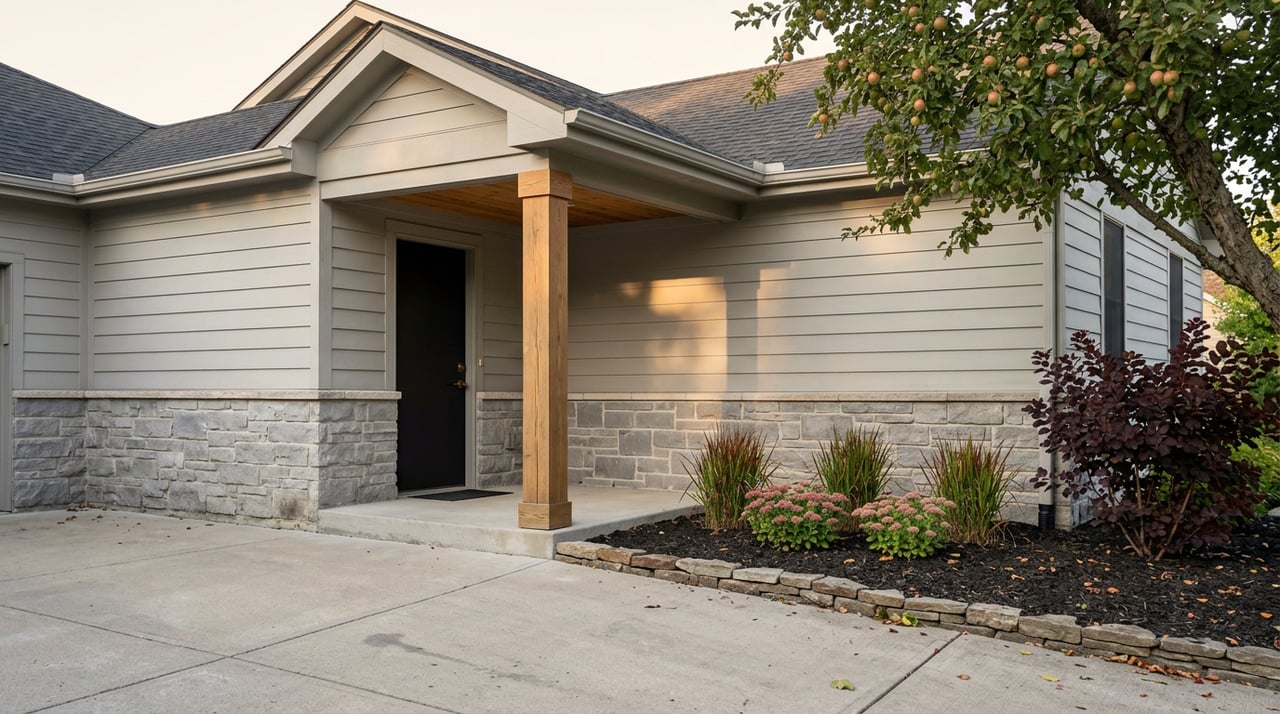
First impressions drive clicks and showings. Focus on the small, high-ROI details that photograph well and set the tone when buyers arrive.
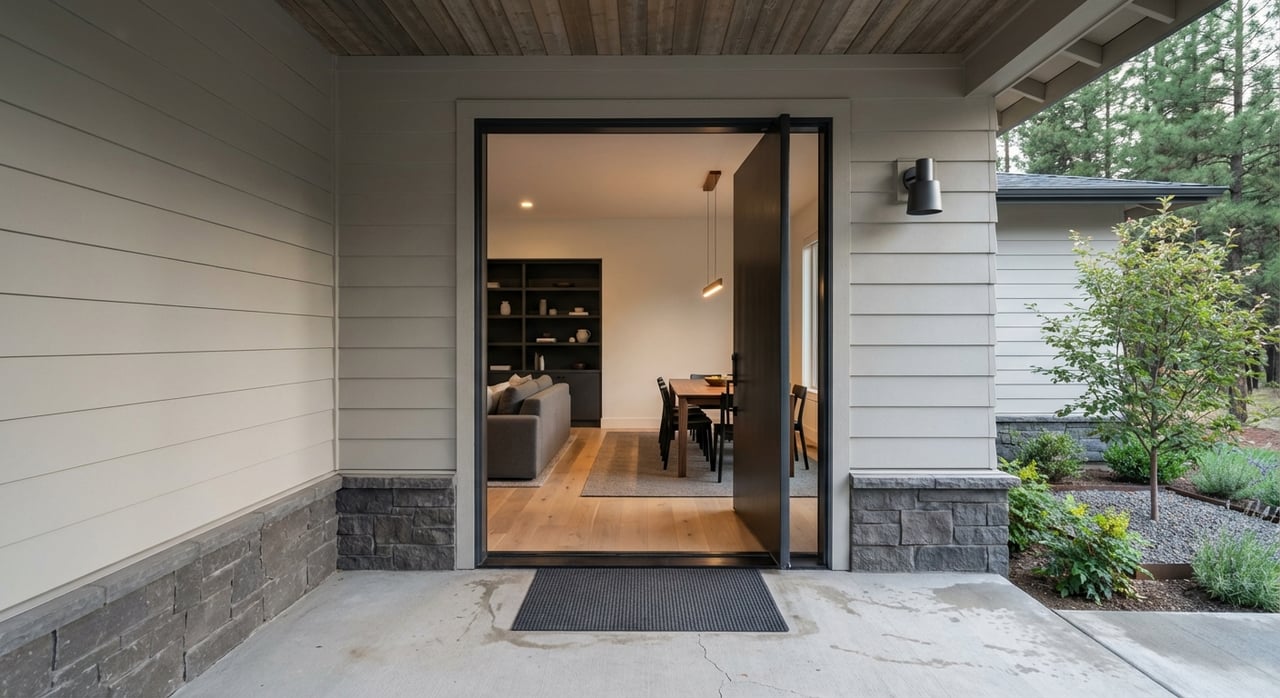
- Refresh the front door with paint or a modern replacement. Update house numbers and hardware.
- Pressure wash siding and walkways. Tidy beds, add clean mulch, and edge the lawn.
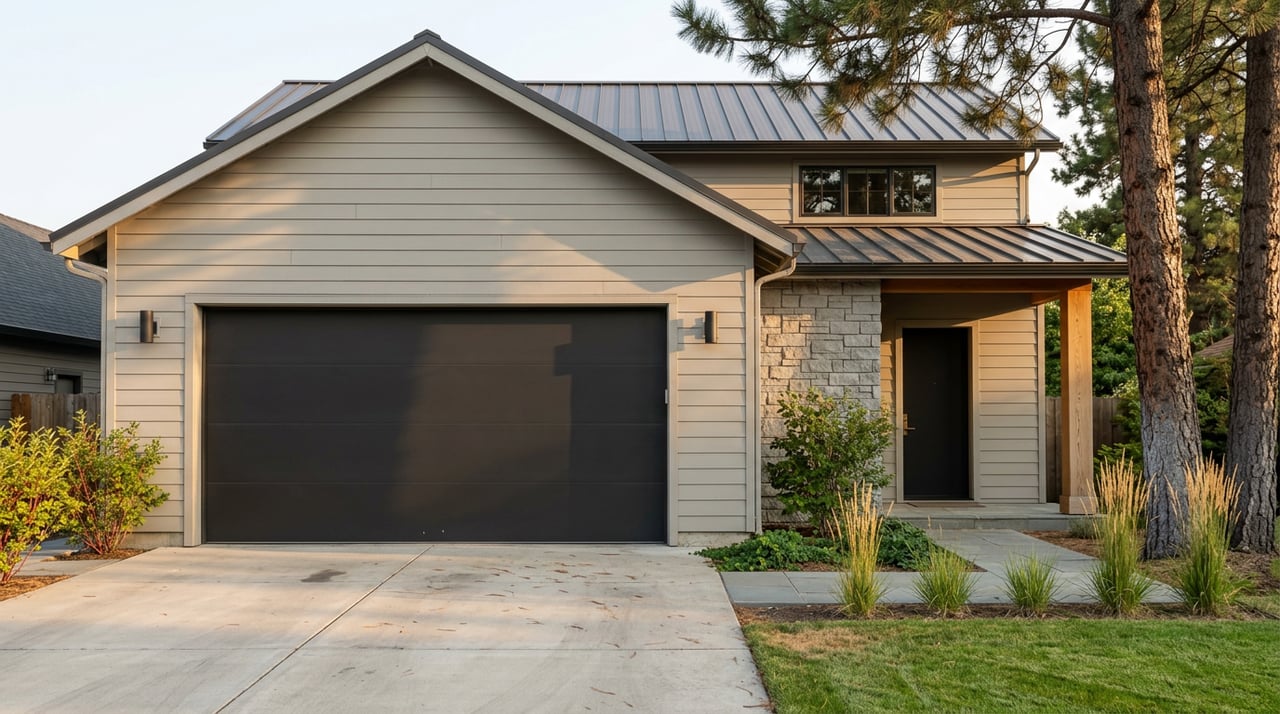
- Consider an updated garage door if yours is dated or worn. Cost vs. Value studies consistently rank garage and entry doors among the best visual and financial returns. For reference on typical project payback, see this Cost vs. Value analysis.
Step 4: Refresh key interiors
You do not need a full remodel to win attention. Target low-risk, high-impact updates.
- Paint: A fresh, neutral palette makes rooms feel larger and photographs cleaner.
- Floors: Replace tired carpet, refinish hardwoods, or add quality LVP where appropriate.
- Kitchen: Focus on cosmetic modernizations like refaced doors, new hardware, updated lighting, a contemporary faucet, and a clean backsplash. Skip footprint moves unless comps clearly support the spend.
- Primary bath: Update lighting, mirrors, hardware, and soft surfaces. Consider a clean vanity top if yours is dated.
Use neighborhood comps to decide scope. Spokane’s micro-markets vary widely by street and school boundary lines. Your agent’s CMA should show how far to go without overshooting your area’s price ceiling. For typical value outcomes by project type, refer back to Cost vs. Value benchmarks.
Step 5: Stage for impact
Staging helps buyers picture scale and lifestyle, especially in mid to upper-tier homes or when a property is vacant. Industry research shows staging can reduce time on market and often leads to stronger offers, with the living room, primary bedroom, and kitchen cited as the most important rooms to stage. See highlights from NAR’s latest staging report in this newsroom summary.
- Occupied homes: Book a professional consultation and stage 2 to 4 high-impact rooms.
- Vacant homes: Invest in full staging for your main living spaces.
Costs vary by size and scope, but many sellers recoup staging through faster sales and improved offer quality.
Step 6: Capture it with media
Almost every buyer starts online. Strong visuals boost clicks, saves, and showing requests. Prioritize:
- Professional photography with balanced, natural lighting.
- An accurate floor plan that helps buyers understand flow and size.
- A 3D or virtual tour to serve out-of-area shoppers and busy locals.
Agents consistently report that photos and online listing features are critical first impressions. For a data-backed overview, see NAR’s quick stats field guide.
Step 7: Go live with a plan
When your home is show-ready, your launch should do three things: hit the right price band, target the right buyers, and build early momentum.
- Pricing: Use the newest closed comps in your neighborhood, then adjust for your exact condition and upgrades. In Spokane, sellers who pair correct pricing with premium presentation often achieve near-list proceeds.
- Targeting: Pair an MLS launch with a full media package. Reach both Spokane buyers and likely feeder markets with targeted online exposure and agent-to-agent outreach. Virtual assets make it easier to engage relocation buyers.
- Feedback loop: Collect early showing feedback. If a consistent objection surfaces, address it quickly with a small price adjustment or a staging fix.
Budget and timeline: a quick guide
These are practical ranges and a sample order of operations. Your actual budget will vary by size, condition, and contractor availability.
- Week 0 to 1: Hire your listing agent, schedule a pre-list inspection, gather permits and receipts, and prepare seller disclosures. Inspection costs often fall in the low to mid hundreds. See a seller-focused inspection overview here.
- Week 1 to 3: Handle safety and major repairs. Tackle obvious exterior fixes like loose railings or cracked steps.
- Week 2 to 4: Do cosmetic updates. Full-house neutral paint, flooring refresh, updated lighting, and hardware. Midrange kitchen refreshes generally offer better payback than full custom renovations. Reference Cost vs. Value for typical returns by project type.
- Week 3 to 5: Stage. Occupied staging often runs in the low thousands. Vacant full staging usually costs several thousand for an initial term. NAR’s staging report outlines why the investment can pay off.
- Week 4 to 6: Book photography, a floor plan, and a 3D tour. Finalize listing copy and agent outreach strategy.
- Listing week: Go live on the MLS, schedule a broker open and consumer open houses, run targeted digital ads, and monitor early feedback.
Pre-show checklist: make it show-ready
- Deep clean kitchens, baths, and baseboards. Remove odors.
- Declutter and store 30 to 50 percent of personal items. Depersonalize walls and shelves.
- Neutral bedding and fresh towels. Minimize small rugs to show more flooring.
- Ensure all lighting works and use the same temperature bulbs in each room.
- Set a comfortable thermostat. Remove pets for showings and hide pet items.
- Perfect the front approach. Sweep, mulch, and make the entry shine.
Pricing plays that work in Spokane
- Lead with comps, not wishful thinking. Use the most recent solds in your micro-area, then adjust for lot, square footage, and finish level.
- Align to a price band that matches your appraisal and buyer search filters. Round pricing can help visibility in common ranges.
- Let presentation do heavy lifting. Homes that are repaired, clean, staged, and professionally photographed convert more online attention into real showings and stronger offers.
Why work with a marketing-first Spokane specialist
Selling in Spokane’s mid to upper tiers is about more than a sign in the yard. You need smart prep, premium visuals, targeted distribution, and steady communication from list to close. Chelsey’s concierge approach covers staging consultations, professional media, and a custom marketing plan designed for your neighborhood. If you are planning a spring launch, start now so you can capture the strongest buyer attention.
Ready to map your pre-list plan or request a pricing opinion based on your exact neighborhood comps? Connect with Chelsey Graves to get a free home valuation and a tailored timeline.
FAQs
When is the best time to sell a home in Spokane?
- Spring often delivers the most buyer traffic, and mid-April has ranked high in national studies. Start prep 4 to 8 weeks before your target list date to maximize curb appeal and photos, and tailor timing to Spokane weather and your area’s rhythms. See national guidance on best times to sell and a summary of a top-performing week here.
Should I get a pre-list inspection in Washington before I sell?
- It is a smart move for older homes or when you suspect deferred maintenance. A pre-list inspection helps you fix issues on your terms or disclose them upfront, which can reduce renegotiations. Learn more about seller pre-inspections here.
What updates add the most value before selling in Spokane?
- Focus on high-ROI projects buyers notice first: a refreshed entry, updated garage door, neutral interior paint, flooring updates, and midrange kitchen or bath cosmetic refreshes. Cost vs. Value analyses show these projects often offer better payback than full luxury renovations. See typical returns in this Cost vs. Value resource.
Do I really need to stage my Spokane home?
- Staging can reduce time on market and boost perceived value, especially in mid to upper-tier or vacant homes. The living room, primary bedroom, and kitchen are top priorities to stage. See highlights from NAR’s latest findings here.
What disclosures are required when selling a home in Washington?
- Most sellers must complete and deliver Washington’s Form 17, disclosing known material facts about the property. Review the statutory requirements for seller disclosures and work with your agent to ensure correct timing and delivery.