Are you looking at Spokane headlines and wondering why your home’s value story feels different from the citywide average? That instinct is probably right. In Spokane, sellers often get the best results when they think in terms of micro-markets, not one big metro-wide market. This guide will show you how neighborhood-level trends can shape pricing, timing, and marketing so you can make smarter decisions before you list. Let’s dive in.
Why Spokane sellers need a micro-market view
Spokane is not moving as one uniform housing market. Over the three months ending May 2026, the city of Spokane posted a median sale price of $368,729 and a median 19 days on market, while Spokane County came in higher at $446,411 with the same 19-day median.
That gap matters because broad averages can hide what buyers are really doing in specific pockets. At the neighborhood level, current median prices range from about $353,381 on the North Side to about $674,773 in Rockwood. In other words, two homes that seem similar on paper may be competing in completely different price ranges and buyer pools.
For you as a seller, that changes everything from pricing strategy to negotiating room. It can also affect how much buyers focus on things like architecture, lot layout, walkability, or neighborhood identity.
South Hill is not one market
South Hill is one of Spokane’s best-known seller areas, but it is not a single pricing environment. The City of Spokane’s South Hill Coalition planning area includes Cliff Cannon, Comstock, Lincoln Heights, Manito/Cannon Hill, Rockwood, and Southgate, with an emphasis on greenway connections, walkability, tree canopy, open space, and links between neighborhood centers, parks, schools, and downtown.
That broader identity helps shape buyer expectations, but the numbers show important differences inside South Hill itself. South Hill overall sits around a $590,000 median with an 18-day median days on market. Within that, Manito-Cannon Hill is around $500,000 with about 10 days on market, while Rockwood is around $675,000 with about 30 days on market.
That spread is a big reminder for sellers. You should not assume one South Hill comparable set applies to every address, even when homes share some surface-level similarities.
Manito-Cannon Hill moves differently
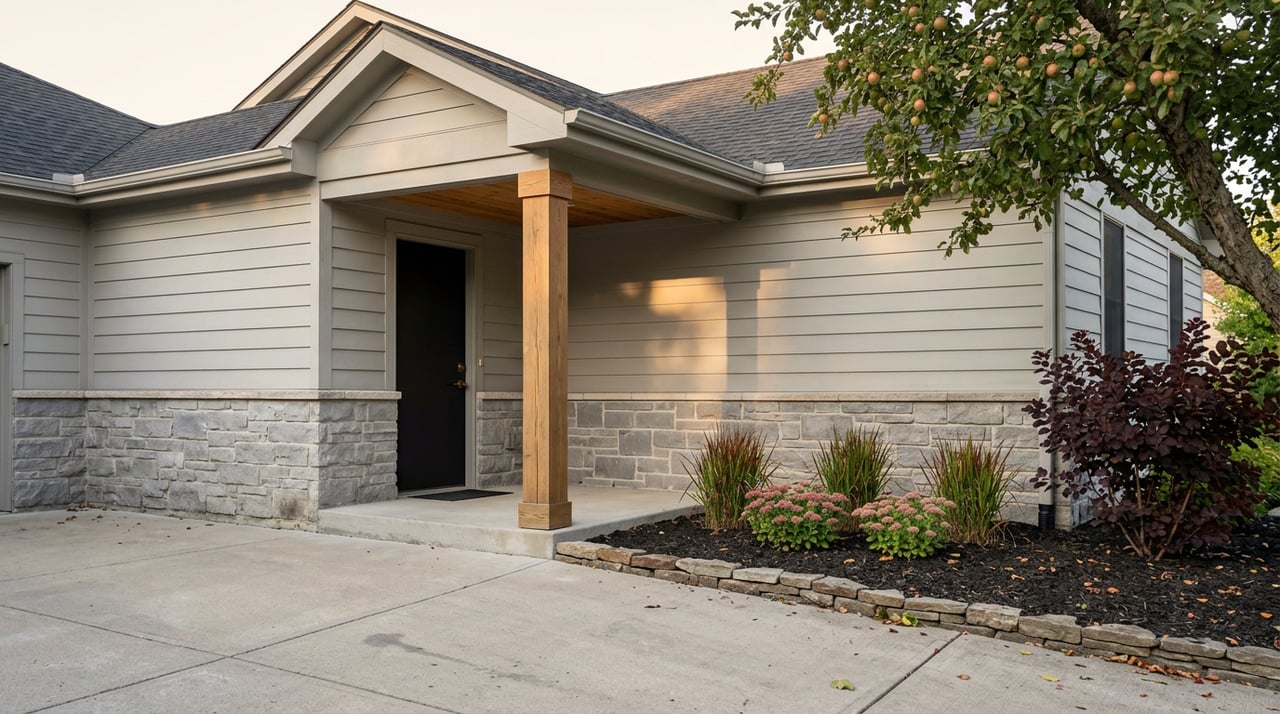
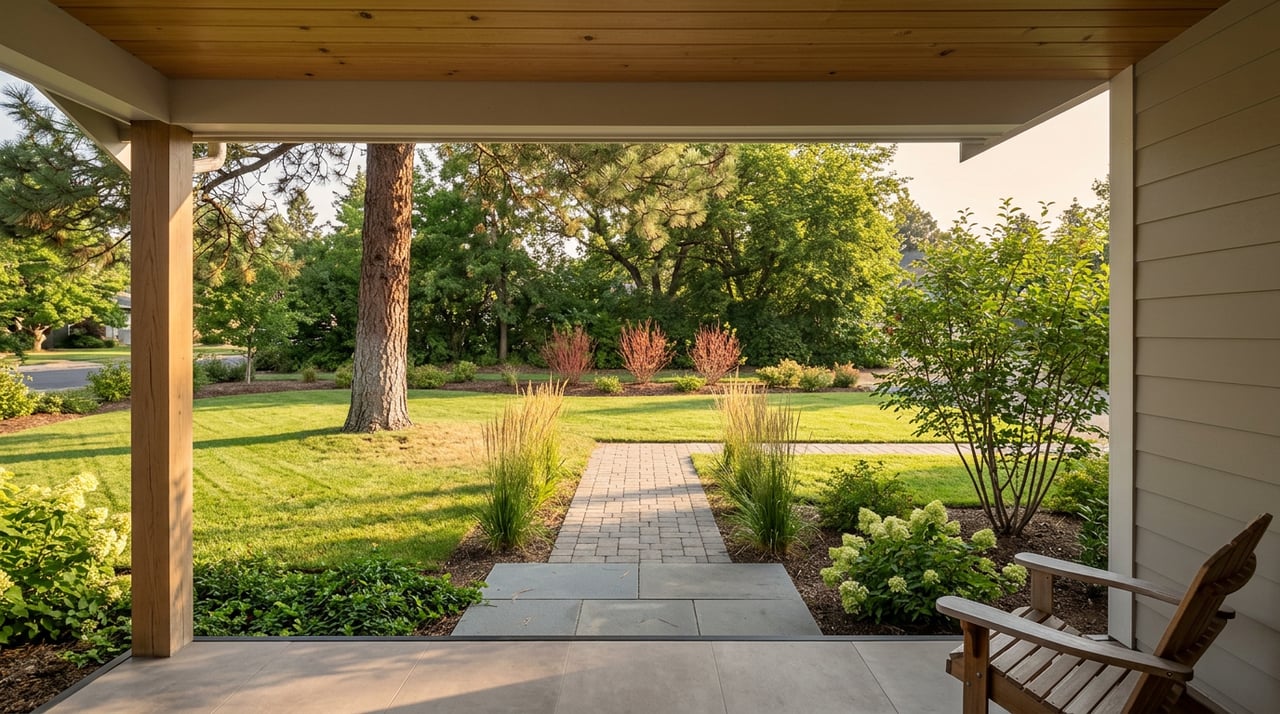
Manito/Cannon Hill is described by the city as an area with mostly mid-sized single-family homes, alley access, many detached garages, distinctive facades, and mature ponderosa pines. Those details are not just charming background information. They help explain what buyers may notice first when they compare listings in this pocket.
The market there is currently very competitive and moving quickly. For sellers, that often means a clean launch matters. Pricing, preparation, and presentation need to feel dialed in from day one because buyers in faster pockets tend to respond quickly.
Rockwood has its own buyer pace
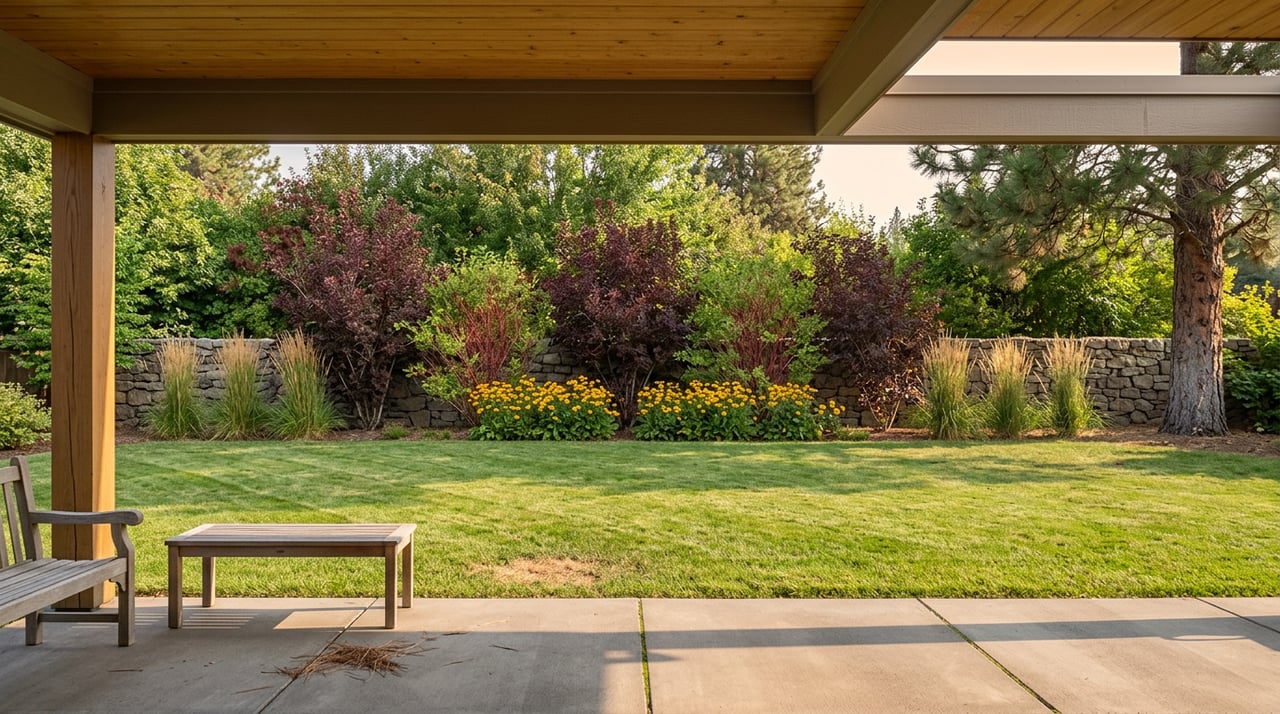
Rockwood has a different feel and a different market rhythm. The city describes it as a mature, stable neighborhood with hilly terrain, curved streets, large lots, historic homes, and a strong tree canopy, with many homes set back from the curb and framed by large deciduous street trees.
That setting can support premium pricing, but premium does not always mean fast. Rockwood’s current median is higher, but its median days on market is also longer than Manito-Cannon Hill. If you are selling there, buyers may spend more time comparing architecture, lot setting, and overall condition before making a move.
North Spokane has several micro-markets
North Spokane is another area where broad labels can be misleading. It includes older city neighborhoods, established residential streets, and newer suburban-style pockets that attract different buyers and move at different speeds.
The North Hill neighborhood profile describes a setting known for well-established streets, unique older homes, reasonably priced housing, walkable destinations, and proximity to work, shopping, parks, and schools. It also highlights alley access, older Craftsman homes, and the Garland district as a walkable commercial anchor.
That neighborhood character matters because buyers are not just comparing square footage. They are also comparing convenience, housing style, and the day-to-day feel of the area.
North Side and Northwest Spokane are faster
Current data show the North Side at a $353,381 median with a 21-day median days on market and a very competitive market profile. Northwest Spokane is also very competitive and moves in about 8.5 days.
For sellers in these faster-moving pockets, realistic pricing and strong presentation can help you capitalize on momentum. Buyers may be looking for affordable city-side inventory, which can create a more active response when a home is positioned well.
Five Mile Prairie and North Indian Trail differ
Higher-priced northern pockets behave differently. North Indian Trail is around a $510,000 median with about 27 days on market, while Five Mile Prairie is around a $539,000 median with about 64 days on market.
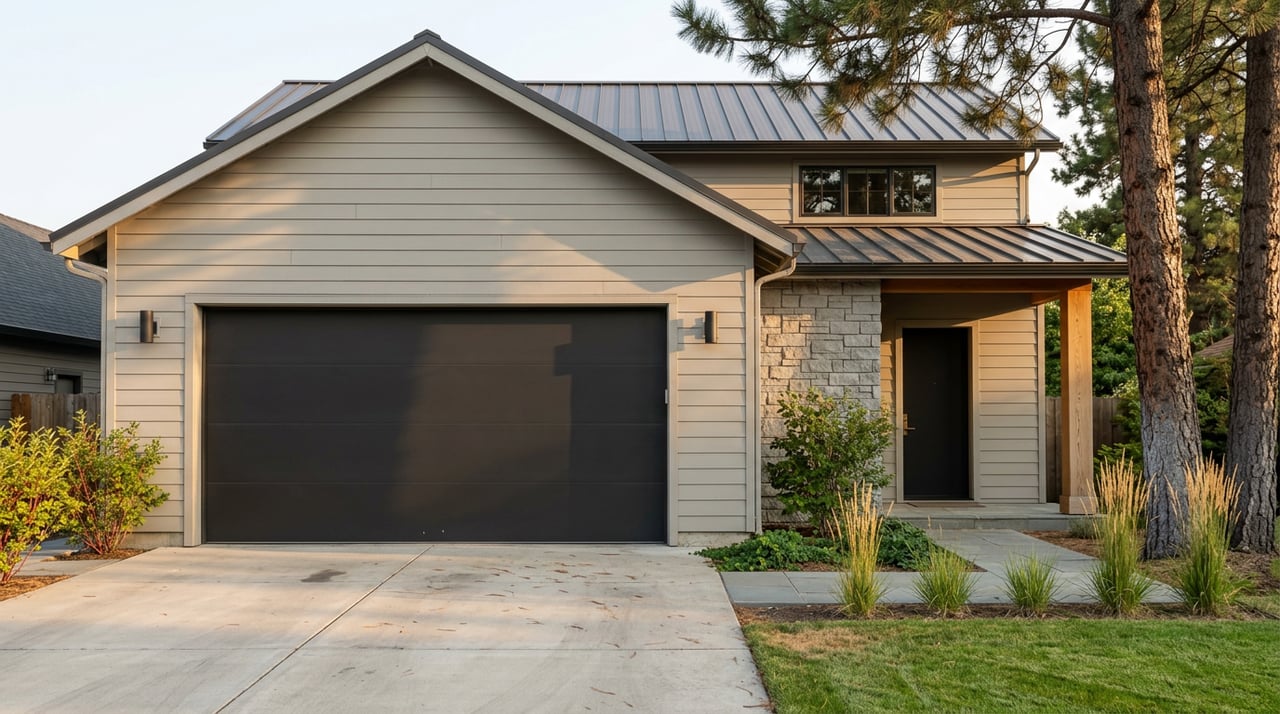
That tells you these areas are not competing like the lower-priced, faster-moving sections of North Spokane. A two-story home in North Indian Trail or a Five Mile Prairie property may be judged more like upper-mid-market suburban product, with buyers taking more time and weighing condition, layout, and price more carefully.
Spokane Valley and Liberty Lake have different expectations
Sellers sometimes group Spokane Valley and Liberty Lake together because both offer suburban appeal, but they are not identical markets. The buyer mindset, pricing expectations, and pace can differ in important ways.
Spokane Valley’s official housing information points to a wide range of housing types, including single residential, multifamily, condominiums, apartments, retirement communities, and town homes. The city also notes a mix of traditional blocks and planned communities with wider streets, trails, and shared amenities.
Redfin’s current snapshot shows Spokane Valley at a $429,743 median sale price, a 26-day median days on market, a very competitive market score, and 33.9% of listings showing price drops. That combination suggests demand is active, but buyers are still sensitive to overpricing.
Spokane Valley rewards balanced pricing
In Spokane Valley, variety is part of the story. Because buyers may be comparing different housing types and community layouts, a seller needs to be especially careful about pulling comps from the right segment.
If your home is in a planned community with trails or shared amenities, that may affect how buyers compare it. If it is in a more traditional residential setting, your likely buyer pool and pricing strategy may look different.
Liberty Lake can be premium but slower
Liberty Lake has its own identity. The city describes it as about 20 minutes from downtown Spokane, with parks, trails, summer events, and a farmers market.
At the same time, the current market snapshot shows a median sale price of $509,695, a 46-day median days on market, a somewhat competitive market, and 36.3% of listings with price drops. For sellers, that is an important lesson: a market can feel premium and still require a longer marketing window.
Why similar homes sell differently
This is one of the most common seller questions in Spokane, and the answer usually comes back to context. Buyers are comparing homes within specific micro-markets, not just by bedroom count, square footage, or finish level.
A North Side bungalow, a Manito/Cannon Hill home with alley access, and a Liberty Lake property near trails may each appeal to different buyers for different reasons. Even if those homes share similar size or updates, they can still sell on different timelines and at different price points because the surrounding market context is different.
What features buyers notice most
Official neighborhood profiles across Spokane repeatedly point to features such as walkability, tree canopy, older-home character, garage and lot layout, parks, and proximity to schools or commercial nodes. These are not minor details. In many Spokane micro-markets, they are part of the home’s value story.
That means your marketing should do more than list bedrooms and bathrooms. It should explain how your home fits the expectations of buyers already looking in that specific pocket.
How sellers can use this now
If you plan to sell in the next 6 to 18 months, the clearest takeaway is simple: compare like with like. Use neighborhood-level and price-band-specific comps instead of relying too heavily on citywide or countywide averages.
You should also tailor your marketing to the story buyers expect in your area. In South Hill, that may mean highlighting historic character, mature trees, parks, and walkability. In North Spokane, it may mean older-home charm, convenience, and neighborhood identity. In Spokane Valley, it may mean functional layouts, housing variety, and community amenities. In Liberty Lake, it may mean trails, recreation, and the overall lifestyle setting.
Finally, align your expectations with your submarket’s pace. Faster pockets like Manito-Cannon Hill, Northwest Spokane, and the North Side may reward a polished launch. Slower pockets like Rockwood, Five Mile Prairie, and Liberty Lake may call for more deliberate pricing and a longer runway.
When you are ready to position your home with neighborhood-specific strategy, staging insight, and a tailored marketing plan, connect with Chelsey Graves for a personalized look at your Spokane-area micro-market.
FAQs
Why do similar homes sell differently in Spokane neighborhoods?
- Buyers usually compare homes within specific micro-markets, so location, buyer pool, neighborhood character, and local pricing trends can matter as much as size or features.
Which Spokane submarkets are moving faster right now for sellers?
- Current data point to Manito-Cannon Hill, Northwest Spokane, and the North Side as faster-moving pockets than areas like Rockwood, Five Mile Prairie, and Liberty Lake.
What should Spokane South Hill sellers know before pricing a home?
- South Hill is internally segmented, so sellers should use comps from the most relevant pocket, such as Manito-Cannon Hill or Rockwood, rather than treating all of South Hill as one market.
What matters most to buyers in North Spokane neighborhoods?
- Buyers often pay attention to neighborhood identity, housing style, walkability, access to parks and shopping, garage or alley layout, and how the home fits its immediate pocket.
Is Spokane Valley a fast market for home sellers?
- Spokane Valley is currently very competitive, but the share of listings with price drops suggests buyers can still be price-sensitive if a home is listed too high.
Should Liberty Lake sellers expect homes to sell quickly?
- Not always. Liberty Lake shows a higher median price point, but current market data also point to a longer median time on market and a notable share of price reductions.