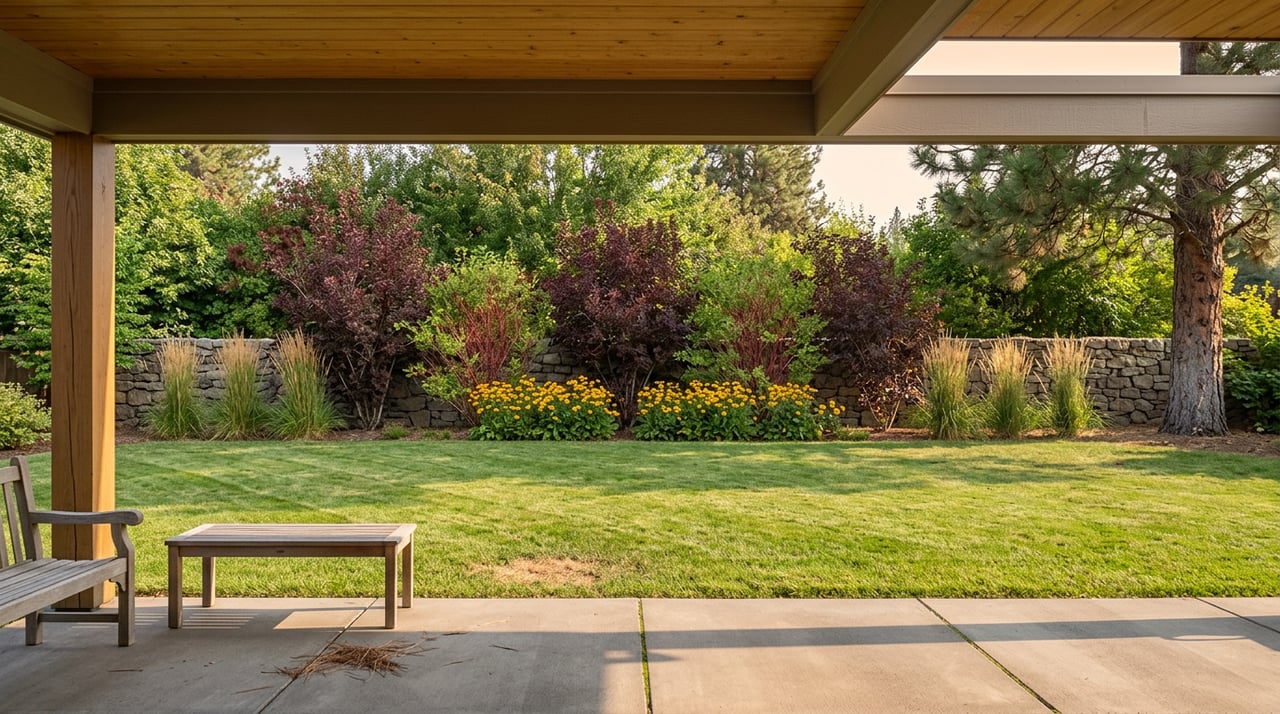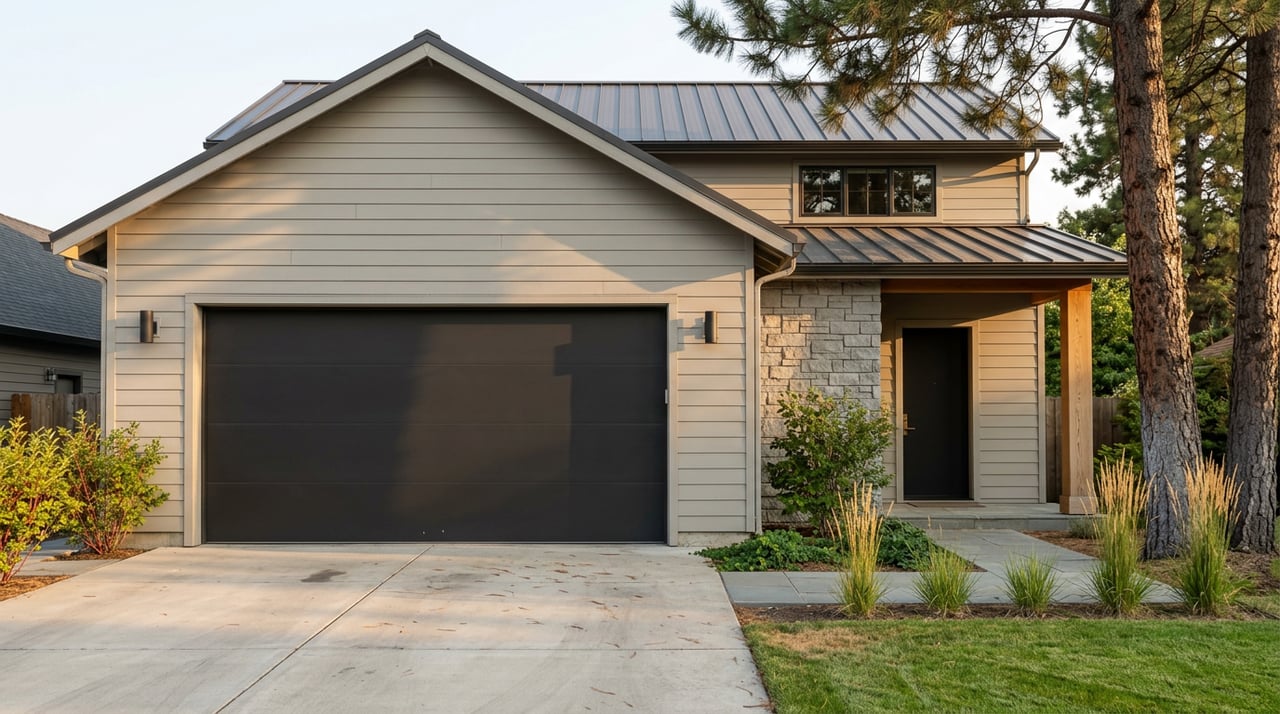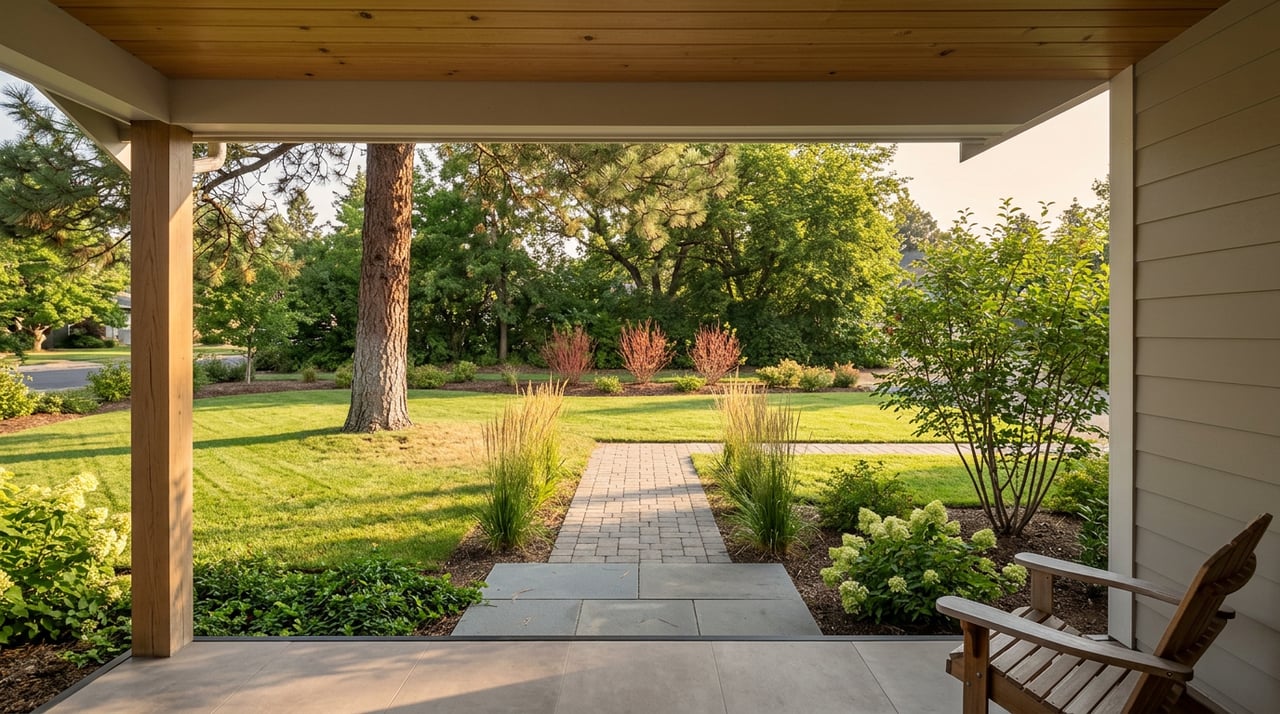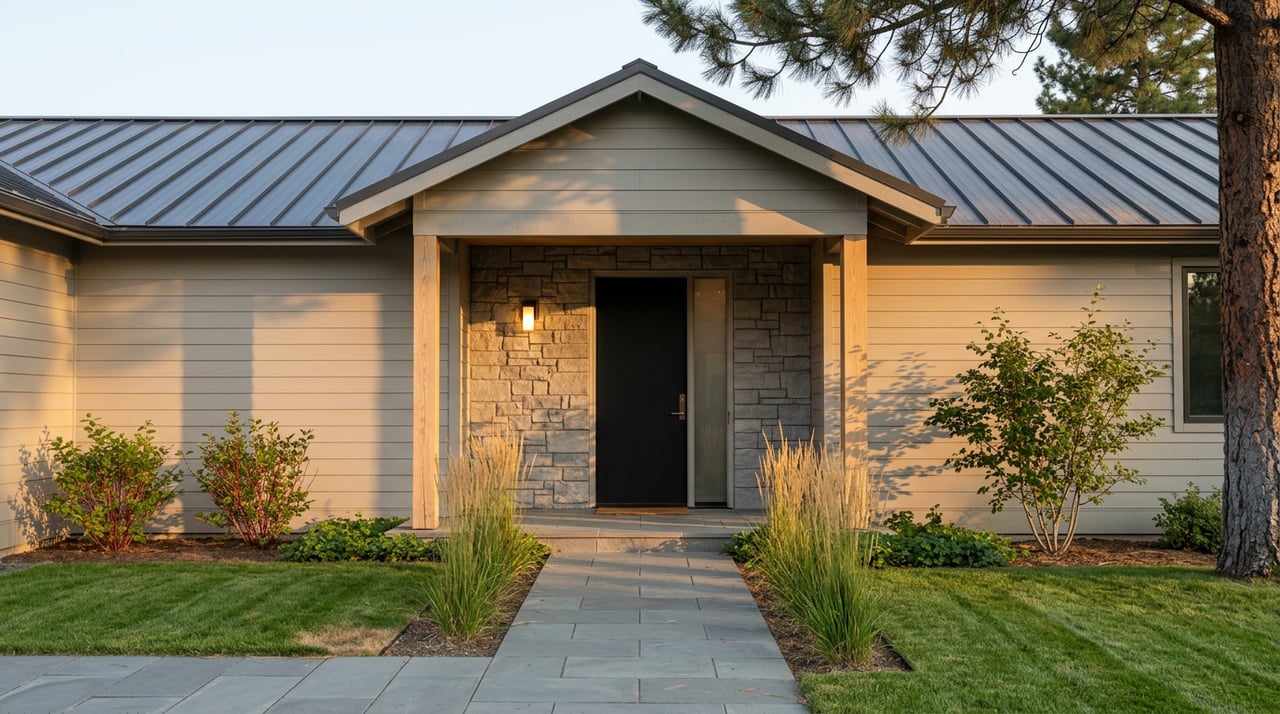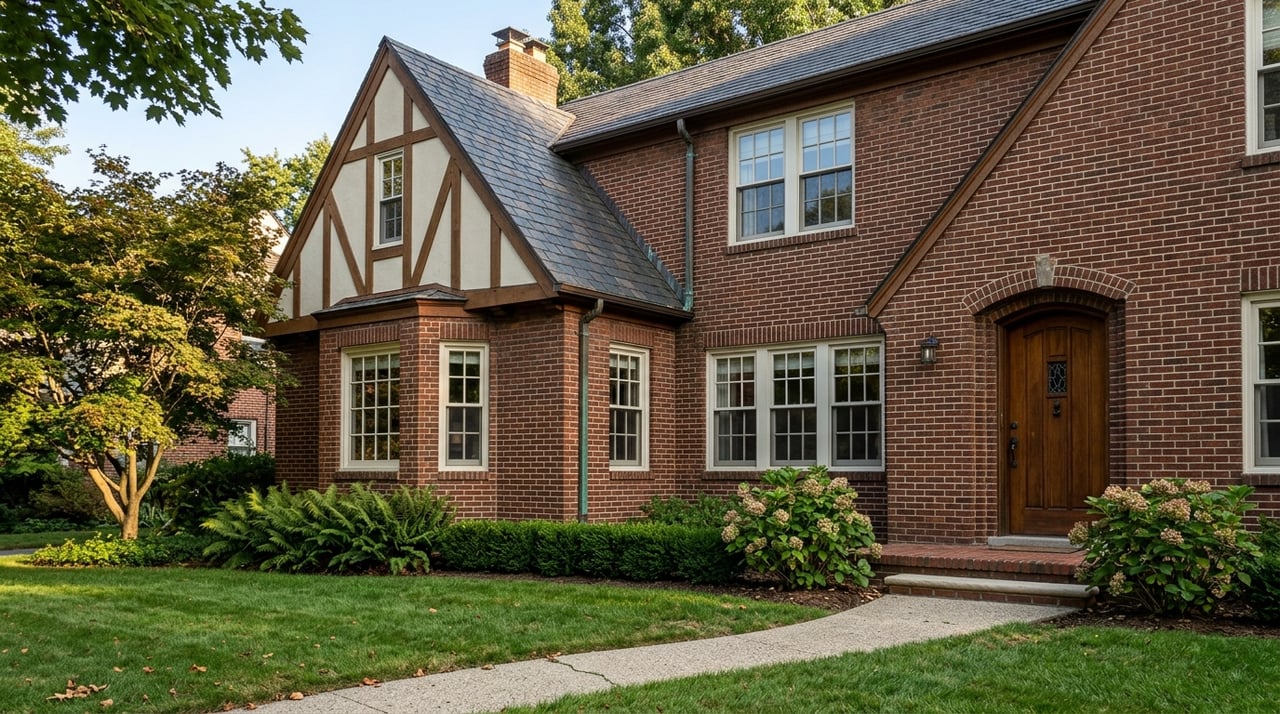
Dreaming about a historic home in Rockwood? You are not alone. This Spokane neighborhood has a look and feel that is hard to copy, but buying an older home here takes more than falling in love with curb appeal. If you are considering a purchase, it helps to understand the architecture, the maintenance realities, and the rules that may apply before you write an offer. Let’s dive in.
Why Rockwood stands out
Rockwood is one of Spokane’s signature South Hill neighborhoods, and its historic character is a big part of the appeal. The Rockwood Historic District was listed on the National Register of Historic Places in 1997, and the district is known for its curving street layout shaped around slopes and basalt outcroppings.
The neighborhood was not built all at once. The first homes date back to 1910, and the district contains about 350 homes, with 279 identified as contributing properties when the district was listed. For you as a buyer, that means two homes on the same block may have very different ages, updates, and maintenance needs.
What types of homes you may see
One of Rockwood’s strengths is architectural variety. If you are shopping here, you are likely to see homes from several design periods rather than one uniform style.
Along Rockwood Boulevard and nearby bluff-top streets, early and prominent homes often include:
- Tudor Revival
- Colonial Revival
- Craftsman
- Prairie
- American Foursquare
The district also includes homes from later eras and evolving tastes, such as:
- Mission or Spanish Eclectic
- Monterey
- Art Moderne
- Minimal Traditional
On smaller side streets, you may also find bungalows and cottages. Outside the historic district, Rockwood includes early 20th-century Arts and Crafts bungalows and custom Mid-century Modern homes, some of which may still be eligible for local historic listing.
Why age matters in Rockwood
In Rockwood, you are often evaluating homes that are close to or over 100 years old. That age can bring craftsmanship, mature setting, and original design details, but it can also mean systems and materials need closer review.
A beautiful historic home may have had updates done over several decades. Some work may have been carefully planned, while other projects may have been more cosmetic. That is why your due diligence should focus on what is behind the walls as much as what you see during a showing.
Start with lead and paint risks
If a Rockwood home was built before 1978, lead-based paint is a key issue to understand. Older paint is not always a problem if it is intact and undisturbed, but renovation work like sanding, cutting, or window replacement can create hazardous lead dust.
If you plan to update painted surfaces after closing, it is smart to use a lead-safe certified contractor. This matters even more in older homes where trim, windows, doors, and built-ins may still have original layers of paint.
Lead concerns may also extend beyond paint. In older cities and homes built before 1986, lead pipes are more likely, so it is worth asking about the age of plumbing and service lines. If the plumbing history is unclear, water testing may be a practical next step.
Look closely at moisture and ventilation
Moisture is one of the biggest practical concerns in an older home, even in Spokane’s inland climate. A home can look well kept on the surface and still have issues tied to drainage, basement seepage, attic airflow, or condensation.
As you tour homes and review inspections, pay close attention to:
- Grading around the foundation
- Gutter and downspout drainage
- Signs of basement moisture or seepage
- Attic ventilation
- Window condensation
These details matter even more if the home has been weatherized or partially finished over time. A tighter house can hold more moisture, so ventilation is an important part of keeping the home healthy and durable.
Plan insulation and energy updates carefully
Many older homes have less insulation than newer ones. That does not automatically make a historic home a poor fit, but it does mean energy improvements should be approached carefully.
Before adding insulation, a qualified home energy assessor should review existing insulation and air sealing. In older homes, one upgrade can affect another. If insulation or air sealing is done without enough attention to ventilation and moisture control, the result can be mold, trapped moisture, or indoor air quality problems.
If a home has basement or crawlspace concerns, the solution may require input from a qualified builder, basement designer, or insulation contractor. In other words, the best answer is not always “add more insulation.” It is to make a plan that fits the house.
Understand National Register versus local listing
This is one of the most important points for Rockwood buyers. A home in the Rockwood Historic District is not automatically subject to the same rules as a home that is individually listed on Spokane’s local register.
National Register listing and local listing are different. According to the National Park Service, National Register listing does not place federal restrictions on a private owner unless federal assistance or permitting is involved. Spokane’s Historic Preservation Office also notes that Rockwood Historic District is National Register-listed but not on the Spokane Register.
That means you should not assume a property has local preservation review just because it sits in the district. At the same time, Spokane notes that a property inside a National Register historic district may still be subject to the city’s demolition ordinance.
Verify the exact address before closing
Because the rules can vary by property, address-level verification matters. Some homes may only be within the National Register district, while others may also be locally designated.
If a home is on the Spokane Register, Spokane says it is tied to a management agreement and design review before work starts. That can affect how future exterior or rehabilitation projects are handled, so it is best to confirm that status early in your due diligence period.
A practical first step is to search Spokane’s Historic Properties database by address, neighborhood, or district. It is one of the quickest ways to confirm how a specific Rockwood property is classified.
Know when tax incentives may apply
For some buyers, local historic status may come with a benefit. Washington’s special tax valuation program may allow approved rehabilitation costs to be subtracted from assessed value for up to 10 years, but only where the local jurisdiction has adopted the program.
Spokane notes that Spokane Register properties may qualify for special valuation and reduced property tax on qualifying rehabilitation. This will not apply to every historic-looking home in Rockwood, so it is another reason to verify whether a specific property is locally listed.
Build the right due diligence team
Buying a historic home usually calls for a more tailored approach than buying a newer property. A standard inspection is still important, but it may not answer every question you need to ask.
Depending on the home, your due diligence team may include:
- A general home inspector
- A lead-safe contractor if pre-1978 painted surfaces may be disturbed
- A home energy assessor
- A moisture-focused contractor if drainage, basement, or ventilation issues appear during inspection
This kind of team approach helps you move past broad assumptions. Instead of thinking “old home equals risky” or “everything looks fine,” you can make decisions based on the actual condition of the property.
What a smart Rockwood buyer should ask
When you are serious about a home, a few focused questions can go a long way. These questions can help you understand condition, future costs, and whether the home fits your renovation goals.
Consider asking:
- When were the plumbing, electrical, and major mechanical systems last updated?
- Is there any known lead-based paint, and have any lead-safe renovation steps been taken?
- Has the home had basement seepage, drainage work, or moisture-related repairs?
- Has insulation been added, and if so, was ventilation reviewed at the same time?
- Is the property only within the National Register district, or is it also on the Spokane Register?
- Are there any records of prior rehabilitation or preservation-related approvals?
These questions can help you spot both opportunity and complexity before you commit.
Buying with confidence in Rockwood
A historic home in Rockwood can be a remarkable purchase. You get architecture, setting, and neighborhood character that newer construction rarely replicates. But the best experience usually comes when you balance emotion with careful research.
If you understand the home’s style, confirm its historic status, and investigate lead, moisture, insulation, and ventilation with the right professionals, you can move forward with much more clarity. In a neighborhood as distinctive as Rockwood, that kind of preparation matters.
If you are considering buying in Rockwood and want neighborhood-level guidance as you compare homes, connect with Chelsey Graves for a more informed, tailored search.
FAQs
What makes Rockwood historic in Spokane?
- Rockwood includes a National Register historic district listed in 1997, with homes dating back to 1910 and a layout associated with the Olmsted Brothers.
What architectural styles are common in Rockwood homes?
- Buyers in Rockwood may see Tudor Revival, Colonial Revival, Craftsman, Prairie, American Foursquare, Mission or Spanish Eclectic, Monterey, Art Moderne, Minimal Traditional, bungalows, and cottages.
Does a home in Rockwood have local historic restrictions?
- Not always. A home may be inside the National Register district without being on the Spokane Register, so you should verify the exact address before assuming local design review applies.
What should buyers inspect first in an older Rockwood home?
- Lead-based paint risk, plumbing age, moisture issues, grading, downspouts, basement seepage, attic ventilation, and insulation planning are key areas to review.
Can a locally listed historic home in Spokane qualify for tax benefits?
- Spokane Register properties may qualify for Washington’s special tax valuation program on approved rehabilitation work, depending on program requirements and local adoption.
Who should help with due diligence on a Rockwood historic home?
- A strong team may include a general home inspector, a lead-safe contractor, and an energy assessor or moisture-focused contractor if inspection findings point to drainage, insulation, or ventilation concerns.